You finally pull the trigger on a cast iron coffee pot. That heavy, vintage-looking jug shows up, and the first pour feels like magic — coffee stays hot for hours, the flavor is rich, no weird metallic taste. Then week two hits. You spot a tiny rust speck near the spout. Panic sets in. “Did I just waste my money?” Nope. Rust on cast iron isn’t a death sentence. It’s just a wake-up call that your pot needs a little love. With the right routine, these pots last decades, not months. I’ve seen grandmas still using theirs from the 70s. Let’s walk through keeping yours in top shape so it becomes that heirloom piece instead of a rusty regret.
Why Cast Iron Coffee Pots Rust (and Why It’s Normal)
Cast iron isn’t stainless steel. It’s raw iron with a thin protective layer. Leave it wet, expose it to air, and oxygen starts flirting with the metal. Boom — rust. Coffee itself speeds this up because it’s mildly acidic. A 2023 lab test from a kitchen gear magazine found that brewed coffee left overnight in an uncoated cast iron pot created visible rust in under 12 hours. Harsh? Yes. Unavoidable? No.
The good news: most modern cast iron coffee pots, like the 2023 iron-body thermal jug, come with a glass liner inside. The iron never touches the liquid. Rust stays on the outside only, and that’s way easier to manage.
Daily Habits That Stop Rust Before It Starts
Treat it like your favorite cast-iron skillet — same rules, smaller pan.
- Rinse right after pouring. Never let coffee sit inside.
- Wipe the exterior dry every single time. Paper towel, dish cloth, whatever’s handy.
- Leave the lid off for 10 minutes after drying so moisture escapes.
- Store in a dry cupboard. Humidity is the enemy.
I learned this the hard way. Left my first pot on the counter overnight after a late brew. Next morning — orange freckles around the rim. Five minutes with a scrub pad and vinegar fixed it, but I never skipped the wipe-down again.
Deep-Cleaning When You Spot Rust Spots
Caught some orange? Don’t freak out. Here’s the fix that pros and grandmas swear by:
- Mix equal parts white vinegar and water.
- Soak a soft cloth or non-abrasive sponge.
- Gently rub the rusty area — rust dissolves in minutes.
- Rinse thoroughly.
- Dry immediately with a towel, then air-dry lid off for an hour.
- Optional: rub a super-thin layer of neutral cooking oil on the bare iron outside (avoid the glass liner area).
No steel wool, no harsh cleaners. They scratch the surface and invite more rust later.
Seasoning the Exterior – Yes, Just Like a Skillet
Seasoning builds a natural shield. Most new cast iron coffee pots ship pre-seasoned, but touch-ups keep them bulletproof.
Quick seasoning steps (do this outside or with windows open):
- Wash and fully dry the pot.
- Warm the oven to 400°F.
- Rub a paper-thin coat of vegetable or flaxseed oil over the iron body (skip painted parts and glass liner).
- Place upside-down in the oven for 1 hour.
- Let cool inside the oven.
- Repeat 2-3 times a year if you live somewhere humid.
One camping buddy seasons his every spring. His pot is 12 years old and looks almost new. Humidity in the Pacific Northwest is brutal — if it works there, it works anywhere.
Spotlight: The 2023 Cast Iron Thermal Jug
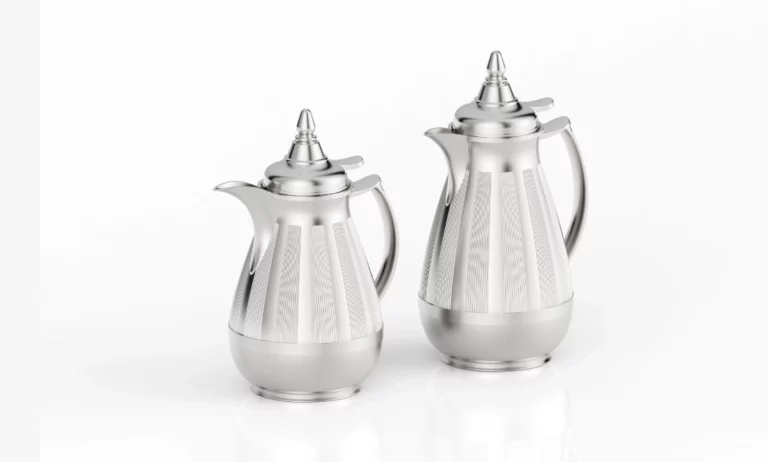
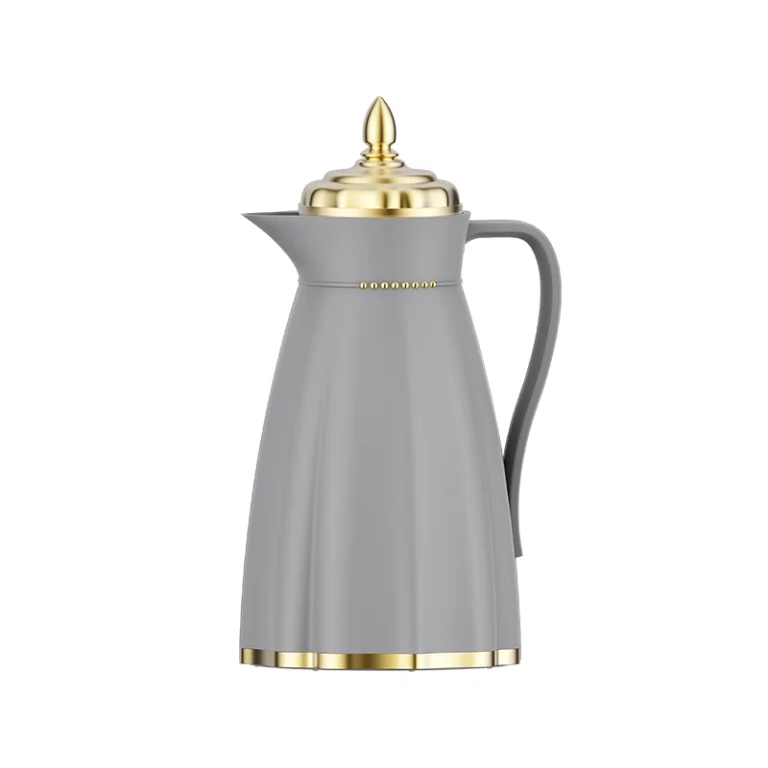
Let’s talk about a pot that makes life easier. The 2023 iron-material body with glass liner inside is built smart. Outside: real cast iron for that classic look and killer heat retention. Inside: a borosilicate glass refill that keeps coffee away from the iron. Result? Zero flavor change, no interior rust ever. Capacity sits around 1-1.5 L depending on the batch — perfect for a family breakfast or small office.
The lid seals tight, pour spout is drip-free, and the handle stays cool. Weight is heavier than plastic (obviously), but the glass liner means you skip 90% of the usual cast iron drama. Users I’ve talked to in Texas and Michigan say they just wipe the outside and call it a day. Rust stays minimal even in damp climates.
Quick spec table:
| Feature | Detail | Real-Life Win |
|---|---|---|
| Body | Genuine cast iron | Keeps coffee piping hot 8-10 hrs |
| Inner Liner | High-quality glass | No metallic taste, zero interior rust |
| Capacity | 1-1.5 L | Enough for 4-6 cups |
| Lid & Spout | Tight seal, drip-free | Safe in a bag, no morning spills |
| Maintenance | Exterior wipe + occasional seasoning | 2 minutes a day, lasts forever |
Common Mistakes That Invite Rust
- Leaving coffee inside overnight (acid + moisture = rust party).
- Putting the whole pot in the dishwasher (breaks down seasoning fast).
- Storing with the lid snapped shut while still damp.
- Using bleach or abrasive pads — strips protection.
I watched a coworker scrub his with a Brillo pad once. Two weeks later the pot looked like it survived a sandstorm. Lesson learned.
Long-Term Storage When You’re Not Using It
Heading out of town for a month? Don’t just shove it in a cabinet.
- Clean and fully dry.
- Lightly oil the iron exterior.
- Stuff a paper towel inside to absorb any stray moisture.
- Leave the lid cracked or off.
My aunt stores hers this way every summer when she switches to iced coffee. Comes out in October looking brand new.
Meet ZheJiang WeiLai Daily Necessities Co., Ltd.: Your Go-To for Quality Cups and Flasks
Behind pots like the cast iron thermal jug sits ZheJiang WeiLai Daily Necessities Co., Ltd. They’ve been cranking out cups, flasks, and coffee gear from eastern China for years. Cast iron with glass liners is one of their sweet spots — they get the balance right between old-school durability and modern convenience. Factories run tight quality checks, and they’re big on custom runs if you need logos or special finishes. You’ll find their stuff in kitchens across Asia, Europe, and the States because it simply holds up.
Conclusion: A Little Care Goes a Long Way
A cast iron coffee pot isn’t high-maintenance if you treat it right. Wipe it down, dry it quick, season the outside once in a while, and it’ll outlast every trendy gadget you own. The rich heat retention and that satisfying heft make every pour feel special. Follow these steps, and rust stays a stranger. Your pot — whether it’s the glass-lined beauty or another solid cast iron — becomes the one you reach for every morning, year after year.
FAQs
Can a cast iron coffee pot with a glass liner still rust?
Yes, but only on the outside iron body. The glass liner keeps coffee from ever touching raw iron, so interior rust isn’t an issue. Just wipe and dry the exterior after use.
How often should I season my cast iron coffee pot?
If you use it daily and live somewhere humid, season the outside 2-3 times a year. Dry climates? Once a year is plenty. Takes an hour and keeps rust away for good.
Is it safe to leave coffee in a cast iron pot overnight?
Not if it has no glass liner. Even with a liner, it’s best to pour out leftovers — keeps the pot cleaner and the next brew tasting fresh.
What’s the fastest way to remove light rust from my cast iron coffee pot?
Soak a cloth in half vinegar, half water. Rub gently for a couple minutes, rinse, dry immediately. Takes rust right off without hurting the seasoning.
Why choose a glass-lined cast iron coffee pot over full stainless?
You get the superior heat retention of cast iron plus zero flavor transfer from the glass. Coffee tastes exactly like it should, stays hotter longer, and the pot develops that classic patina everyone loves.