You’ve got a killer idea for a homeware product—maybe a sleek coffee pot that keeps brews hot for hours without breaking the bank. But turning that sketch on a napkin into a real product on store shelves? That’s where many entrepreneurs hit a wall. If you’re a small brand owner or a budding business person staring at the manufacturing maze, this guide is for you. We’ll walk through the nuts and bolts of partnering with a Chinese factory through OEM (Original Equipment Manufacturing). It’s a path that’s helped countless startups launch lines that stand out, like durable coffee pots under trusted brands such as Sunlife. Stick around. By the end, you’ll feel ready to take that first step.
Why Go the OEM Route with Chinese Factories?
Chinese factories rule the homeware world for solid reasons. They produce high-quality stuff at prices that let small brands actually compete. Picture this: the global kitchenware market reached roughly $200 billion last year. A huge portion comes straight from China. For folks starting out, OEM means you create the design. Then the factory takes care of building it. You skip the massive expense of setting up your own production line early on.
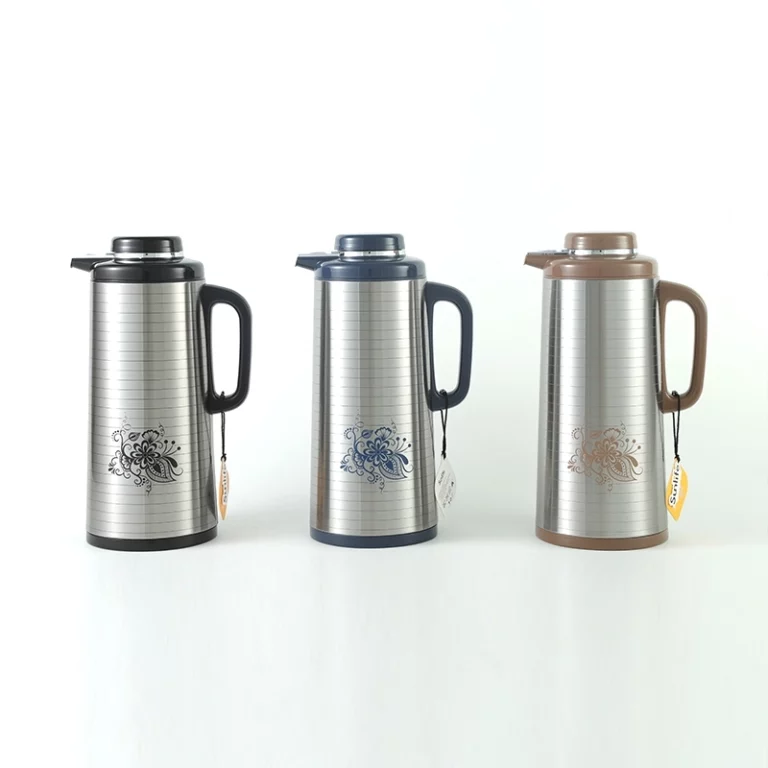
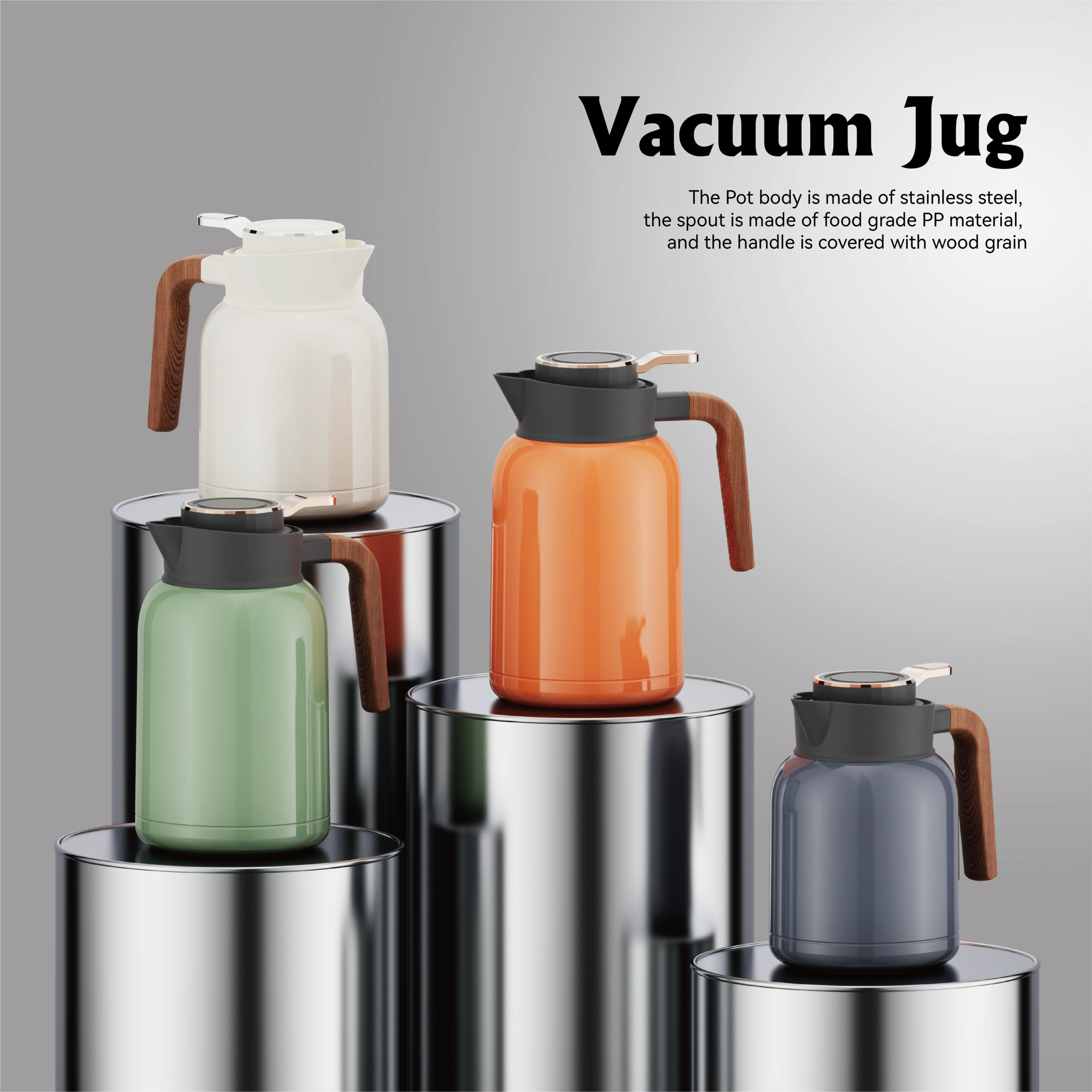
It’s not only about saving money, though. These places usually carry deep experience in making things like vacuum-insulated coffee pots that hold heat nicely for up to 12 hours. Look at Sunlife’s lineup. They stick to practical, everyday items that mix good looks with real usefulness. If your concept lines up with something similar—like a 1.0L thermo coffee pot with a PP body and glass refill—OEM gives you room to customize without reinventing the wheel.
Still, jumping in without a plan can cause real trouble. I’ve listened to small brand owners share stories about wrong colors showing up or shipments arriving way late. They skipped the careful checks. That’s exactly why following clear steps matters so much. It turns the scary unknown into something straightforward and manageable.
Step 1: Nail Down Your Product Idea and Market Fit
Begin with the basics. What exact problem does your homeware fix? For a coffee pot, perhaps it stops the need to reheat coffee during busy mornings. Write down the key details: size, materials, special features. Try to make it stand out a bit. Maybe focus on a jug that’s simple to pour from and easy to clean afterward.
Then look at the market closely. Who actually buys these things? Tired parents rushing around? Office folks needing steady hot drinks? Check free tools like Google Trends. You’ll spot searches for “coffee pot” climbing sharply in colder months. U.S. sales for insulated pots rose about 15% last year, according to industry numbers. Chat with possible buyers. Post questions on forums. Run quick polls. One smart entrepreneur tested her coffee pot idea at weekend markets. She changed the handle shape after hearing complaints. That tiny tweak lifted her early sales by around 20%.
Don’t overlook branding either. Build it around dependability and daily usefulness, the way Sunlife does with their sturdy, user-friendly pieces. Draw a simple logo. Think about packaging that feels right. All this groundwork helps a ton when you finally reach out to factories.
Step 2: Hunt for the Right Chinese Factory Partner
Picking a factory takes more than clicking the first link you see. Approach it thoughtfully. Sites like Alibaba or Global Sources offer tons of options. Narrow them down to ones that really know homeware, especially cups and flasks.
Pay attention to certifications. Look for ISO marks on quality. Check FDA rules if your coffee pot will hold food or drinks. Read through reviews carefully. Always request samples. A trustworthy factory sends a thermo coffee pot prototype fast. You can test the vacuum seal in your own kitchen.
Use this quick list to sort your choices:
- Production Capacity: Can they manage your order volume? Begin small, perhaps 500 units.
- Lead Times: Plan for 30-60 days on custom orders.
- MOQ (Minimum Order Quantity): Search for places okay with 100-500 pieces to start.
- Communication: English-speaking contacts save headaches. Time difference? Schedule calls for your evening, their morning.
One practical tip: If you can, visit the factory. Or hire an inspector. That move saved a friend thousands when they caught a sneaky material switch early.
Step 3: Negotiate Terms and Customize Your Design
After you choose a factory, dig into the fine print. Send over your sketches. Use CAD files if you have them—they help keep everything precise. For your coffee pot, spell out the thermo glass refill and PP body clearly. That way you match the solid quality Sunlife is known for.
Bargain on price, but keep it fair. Factories often start high. Push back gently with real market examples—similar items wholesale for $5-10 per unit. Factor in shipping costs too. Ocean freight from China to the U.S. usually runs $2,000-5,000 per container right now.
Get everything in a solid contract. Cover payment splits (like 30% up front, rest on shipment), quality expectations, and protection for your ideas. Nobody wants their fresh coffee pot design copied later.
This stage is where customization really shines. Want your logo stamped on? Prefer bold colors? Factories in places like Zhejiang province handle these requests smoothly. They turn plain molds into products that catch eyes.
Step 4: Prototype, Test, and Iterate
Never rush straight to full production. Order a few prototypes first. They usually cost $50-200 apiece. Test them hard. Fill your pot with piping-hot coffee. Time how long the warmth lasts. Sunlife pots keep drinks hot for hours. Shoot for that same level.
Collect honest opinions. Pass samples to friends or a small focus group. One startup changed their spout design after people mentioned drips. That fix turned a so-so product into a real winner.
Problems show up? Reach out quickly. Most factories stay open to adjustments. They tweak the mold and send another round. The whole process might stretch a month. But it’s far better than dealing with returns down the road.
Step 5: Scale Production and Handle Logistics
Ready to move forward? Go for it. Start with a modest batch to feel things out. Keep a close eye on quality. Ask for checks at important points along the way.
Shipping and customs can trip anyone up. Work with reliable freight forwarders. They handle the paperwork. Duties on homeware items like coffee pots sit around 3-5% for U.S. entry. Track packages easily with tools like AfterShip.
Products arrive? Store them wisely. Consider Amazon FBA if you’re selling online. Promote hard: post teasers on social media, send samples to influencers for unboxings. A well-crafted coffee pot under a brand like Sunlife practically sells itself with the right exposure.
Common Pitfalls and How to Dodge Them
No honest guide skips the warnings. Language mix-ups happen. Use translators or helpful agents. Quality dips? Write clear penalties into agreements. Shipments run late? Add 20% extra time to your schedule.
Real data shows the risk. A U.S. Small Business Administration survey found 40% of import startups run into supply chain bumps. Plan carefully. You’ll land in the smoother 60%.
Table: Key Costs in OEM Homeware Launch
| Item | Estimated Cost (USD) | Notes |
|---|---|---|
| Prototype Development | 100-500 | Per unit, includes shipping |
| Initial Production Run | 5,000-20,000 | For 500-1,000 units |
| Shipping & Duties | 2,000-5,000 | Per container |
| Marketing Setup | 1,000-3,000 | Website, ads |
These numbers come straight from actual launches. Tweak them for your own situation.
Introducing Zhejiang Weilai Daily Necessities Co., Ltd.
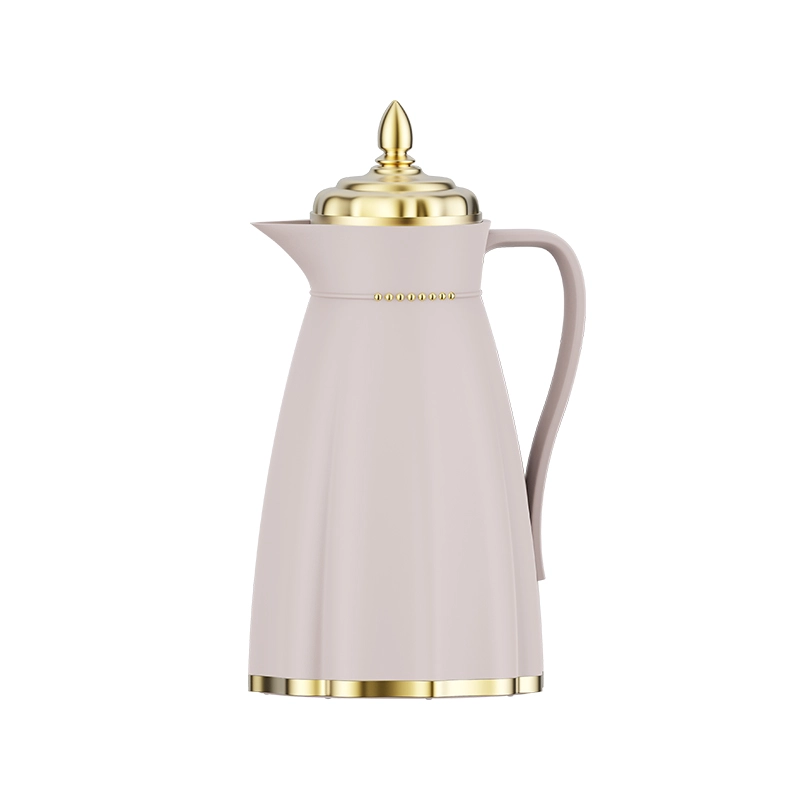
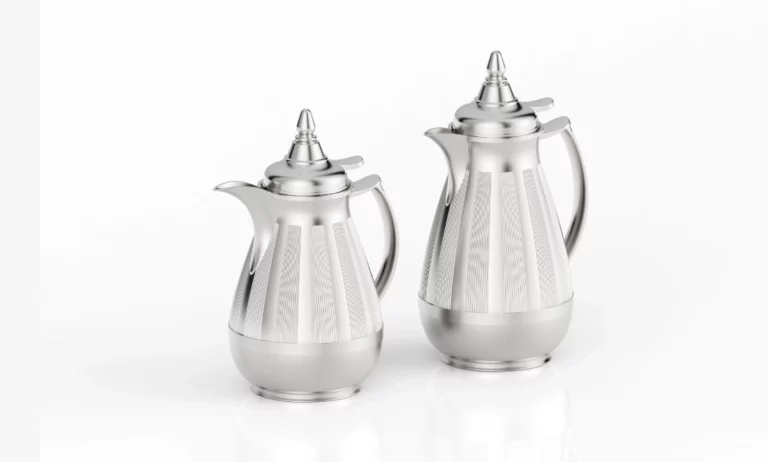
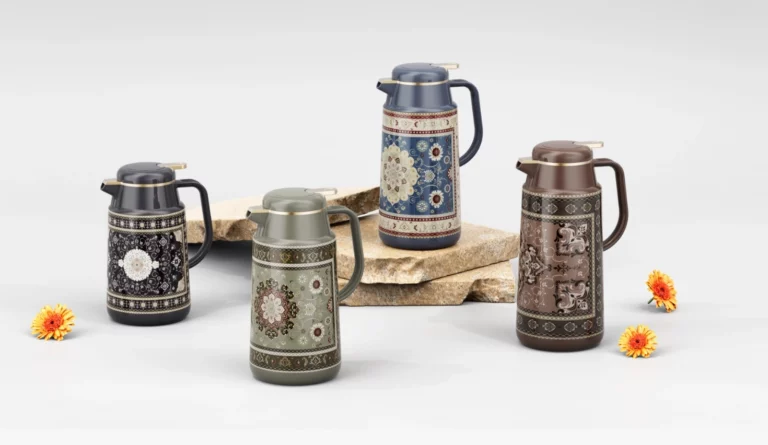
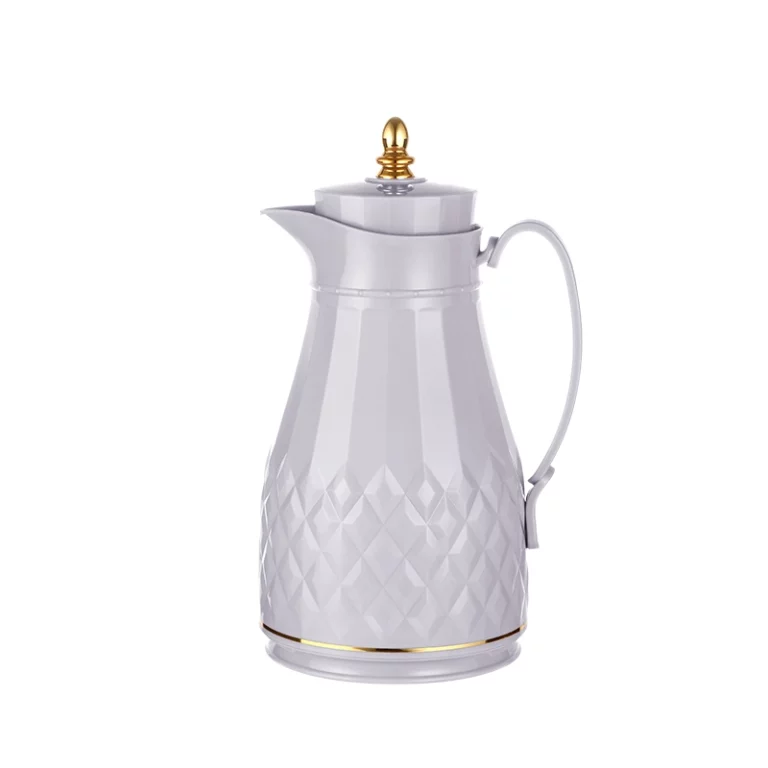
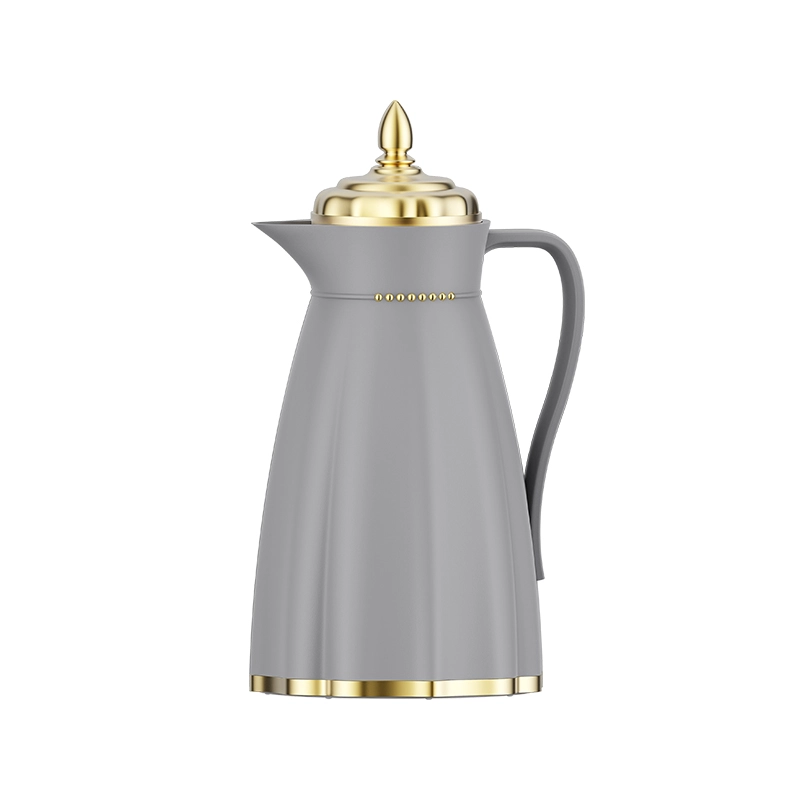
As you prepare for your homeware journey, think about dependable suppliers like Zhejiang Weilai Daily Necessities Co., Ltd. They’re based in China and really good at making cups and flasks. That includes excellent coffee pots sold under the Sunlife brand. They use quality materials like thermo glass and tough PP bodies. Their site, ywlf.com, displays a full range—from simple daily jugs to special Arabian-style pots. If you’re considering OEM, they’re worth a close look. Head to their products page for fresh ideas.
Conclusion
Launching a homeware line through OEM with a Chinese factory isn’t some impossible puzzle. It just needs steady effort and smart choices. From sharpening your coffee pot concept to sorting out shipping, every move pushes you closer to a brand people trust. Plenty of entrepreneurs who stuck to this approach watched their items—like Sunlife’s dependable thermo jugs—take off quickly. Jump in. Stay determined. Soon your idea will turn into something real and successful.
FAQs
What makes a good coffee pot design for OEM production?
A strong coffee pot design puts insulation and simple use first. Think of Sunlife’s versions with vacuum seals that hold heat for hours. Stick to sturdy materials like PP bodies and glass refills. They last longer and clean easier. Always test prototypes carefully to catch any leaks or weak points.
How long does it take to go from idea to first shipment of a custom coffee pot?
Usually 3-6 months total. Design and prototyping take 2-4 weeks. Actual production runs 4-8 weeks. Shipping adds another 2-4 weeks. Chinese factories speed things up when possible. Still, leave room for small changes along the way.
What’s the minimum order for starting an OEM coffee pot line?
Most places set minimums at 500-1,000 units. Some flexible factories drop lower for new brands. Lower MOQs let you test the waters without huge risk. They’re ideal for small startups just getting started.
How do I ensure quality in my OEM coffee pot from a Chinese factory?
Demand clear samples upfront. Hire third-party inspectors. Spell out every detail in the contract. Look closely at certifications. Visiting helps too. Brands like Sunlife succeed because they team up with suppliers who care about steady, reliable builds.
Can I customize branding on my OEM coffee pot?
Yes, completely. Add your logo, pick standout colors, or tweak features like the handle shape. Talk it over early with the factory. They’ll weave those touches in smoothly. That helps your brand shine right from the first batch.