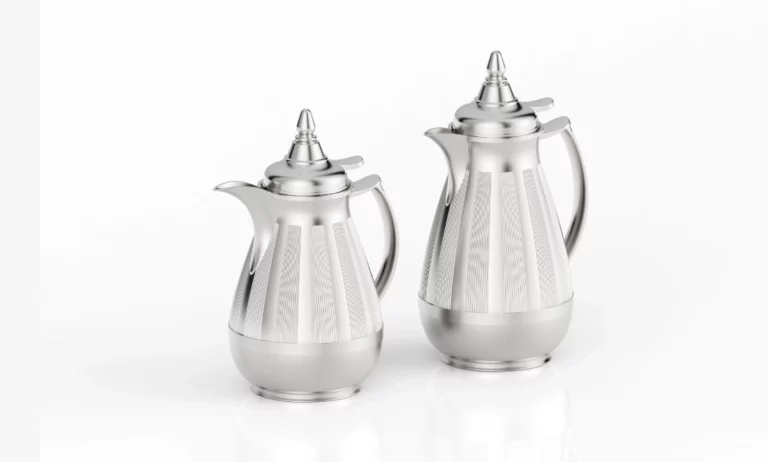
Hey, picture this. You’re stocking shelves for Middle Eastern shops, specialty stores, or online sellers. You’ve dealt with plenty of classic dallahs. Those tall, graceful Arabian coffee pots come with a long spout and a curved handle. They carry real tradition. They show up at weddings, family meetups, and everyday hospitality. But the old ones—usually all metal or ceramic—have issues. They’re heavy. They dent easily. Heat slips away quick. That’s the spot where things turn exciting. Chinese makers have jumped in. They keep the heart of the dallah. At the same time, they bring fresh twists. Lighter builds. Tougher materials. Endless custom looks.
This shift isn’t just about cheaper production. It’s real innovation. Think plastic bodies that cut weight without sacrificing looks, glass liners that preserve pure taste, and vacuum insulation that holds heat for hours. For B2B buyers hunting reliable suppliers, these updates open doors to new product lines that sell better in today’s market.
The Timeless Appeal of the Dallah—and Its Modern Challenges
The dallah has stayed pretty much the same for generations. Spout for precise pouring. Handle for easy grip. Often adorned with intricate engravings or simple elegance. In Arabian culture, serving gahwa (Arabic coffee) from one signals warmth and respect. Guests expect it.
Yet traditional versions face real hurdles in global trade. Metal dallahs heat up fast on the outside—ouch for hands. They lose temperature quickly without insulation. Cleaning can be a pain if residues build up. And shipping heavy pieces jacks up costs. Buyers in Europe, the US, or even growing markets in Asia want options that feel authentic but perform better for busy cafes, hotels, or home use.
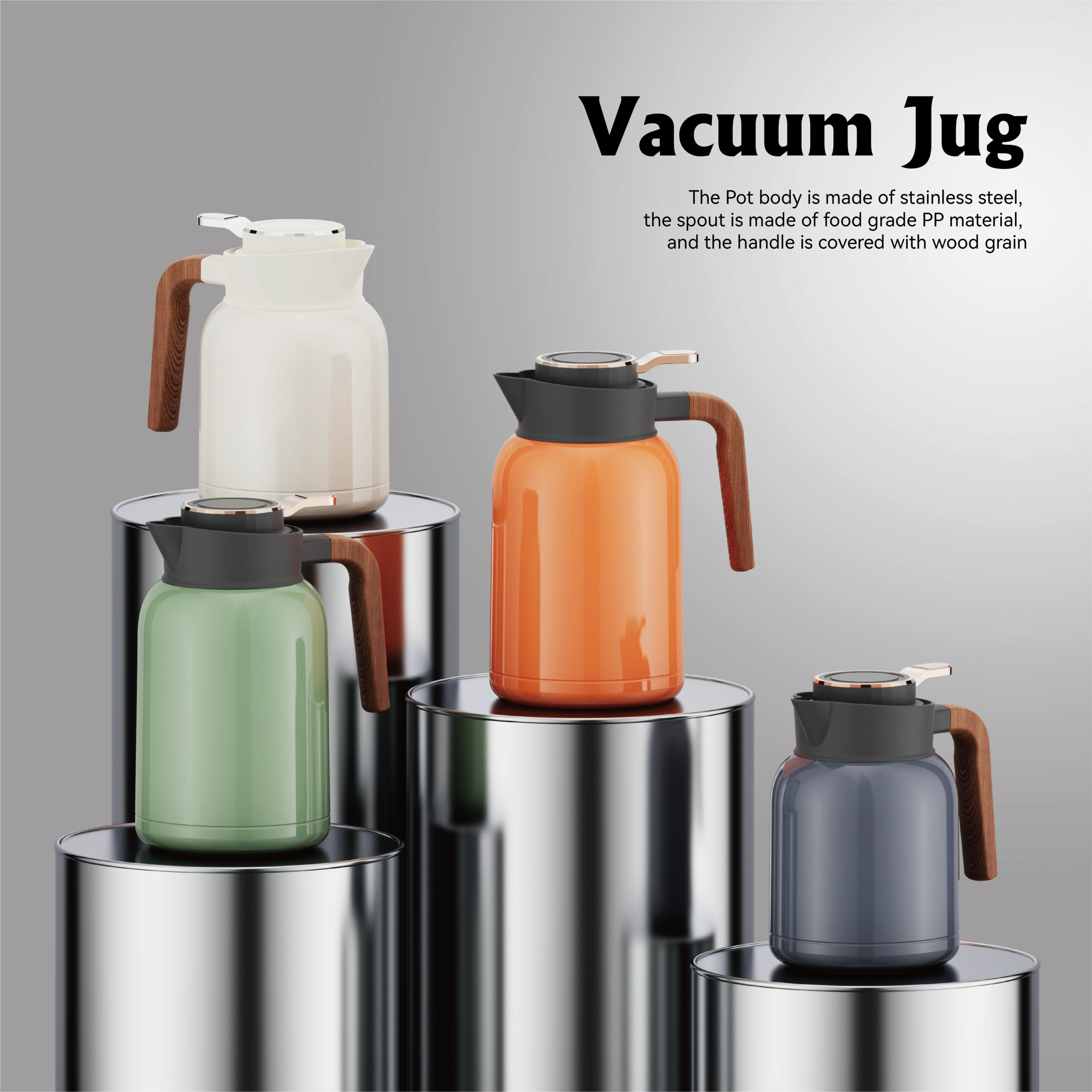
Enter modern takes. Suppliers in China have reworked the design. They stick to glass inner liners—key for that clean, no-metallic taste coffee lovers demand. But the outer shell? Often food-grade PP plastic now. Lighter by a good margin. Drop-resistant too. Add vacuum tech, and you’ve got something that keeps coffee hot 12 to 24 hours. No more lukewarm servings halfway through an event.
Key Innovations Driving the Change
Chinese factories didn’t just copy the dallah. They improved it in smart ways. Here’s what stands out.
Lighter, Tougher Plastic Bodies
PP plastic dominates these days. It’s food-safe, BPA-free in quality lines, and handles daily knocks without denting like metal. A 1.0L version weighs way less than its all-metal cousin. That means lower shipping fees and easier handling for retail staff. One importer I know switched and cut freight costs by nearly 20% on bulk orders. Customers notice the difference—easier to pour without strain.
Glass Liners Stay True to Tradition
The inner refill remains high-grade glass. Why? It doesn’t react with coffee’s acids or spices like cardamom. No off-flavors. Keeps the authentic gahwa experience intact. Vacuum-sealed between the glass and plastic shell, it traps heat effectively. Real-world test: Fill it fresh in the morning, still steaming at lunch.
Customization That Pops
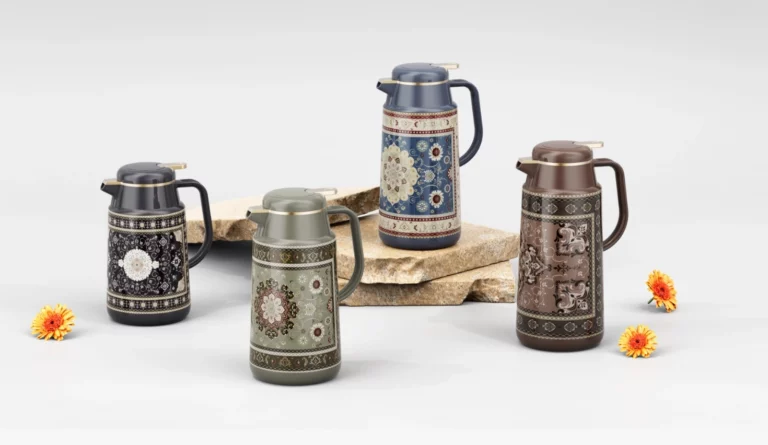
This is where things get exciting for brands. Patterns, colors, logos—suppliers crank them out. Want pink accents for a feminine line? Done. Geometric Arabian motifs? Easy. Even full custom prints on the body. Pantone matching for exact shades. One buyer created a limited-edition series with subtle gold flecks and saw it fly off shelves during Ramadan. MOQs start reasonable—often around 3600 pieces for full custom runs—making it doable for mid-size importers.
Vacuum Insulation Meets Daily Needs
Forget thin walls. These pots use double-layer vacuum to hold temps long. Hot coffee stays hot through meetings or family visits. Cold options work too for iced brews in warmer climates. It’s practical without losing the cultural look.
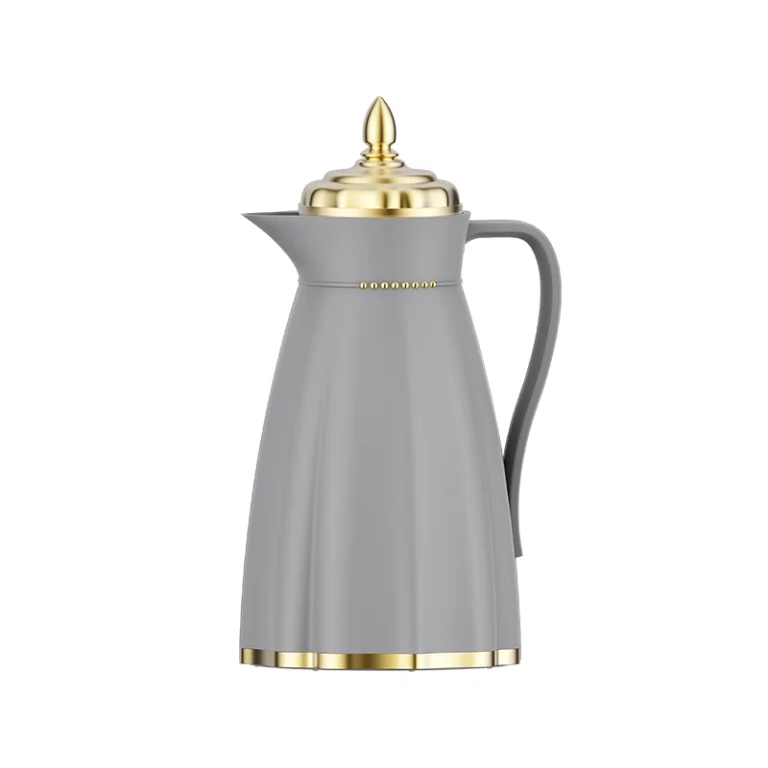
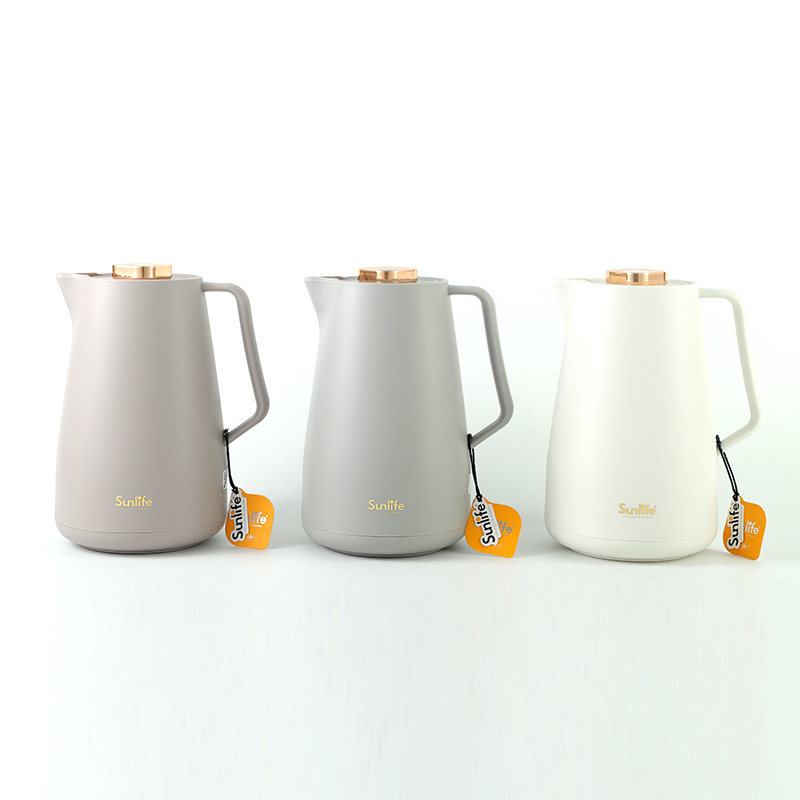
Take a specific example: A 1.0L plastic body Arabian coffee pot with customizable patterns. PP exterior in fun colors like pink. White glass refill inside. Vacuum insulation keeps drinks at ideal temp for hours. Spout designed for smooth pour, just like classic dallahs. Add your logo or unique design, and it’s ready for your market.
Why This Matters for B2B Buyers Right Now
Global demand for Arabian coffee ware keeps climbing. Specialty coffee trends mix with cultural exports. Hotels in Dubai or Qatar want upscale versions. Online sellers in the West seek eye-catching, functional pieces. But buyers face the same headaches: inconsistent quality, long lead times, or designs that miss the mark culturally.
Smart suppliers go beyond basic production. They act as partners. Share trend insights—say, rising demand for pastel tones or eco-friendly vibes. Offer quick prototypes. Handle small tweaks to fit local tastes. The result? Products that don’t just meet specs but actually move inventory faster.
Industry folks report that customized lines often see 15-30% higher sell-through rates. Why? They stand out. Feel personal. And with reliable insulation and durable builds, returns drop.
| Innovation Aspect | Traditional Dallah | Modern Chinese Version | Buyer Benefit |
| Material (Body) | Metal/Ceramic | Food-grade PP Plastic | Lighter weight, drop-resistant, lower shipping cost |
| Inner Liner | Metal or none | High-grade glass | Pure taste, no flavor transfer |
| Insulation | Minimal | Vacuum-sealed | 12-24 hour heat retention |
| Customization | Limited engraving | Full patterns, colors, logos | Brand differentiation, market appeal |
| Weight (1.0L approx) | 1.5-2kg+ | Under 1kg often | Easier handling and transport |
Numbers like these make decisions clearer.
Real-World Impact from the Field
Talk to distributors who’ve made the switch. One in the Gulf region stocked traditional metal dallahs for years. Sales steady but slow. Then they added plastic-body vacuum versions with custom pink patterns for a women’s event series. Orders doubled that season. Customers loved the look—modern yet respectful—and the fact coffee stayed hot longer.
Another example: A European wholesaler targeted eco-conscious buyers. Switched to lighter plastic models, cut carbon footprint on shipping. Marketing highlighted the glass liner for purity. Repeat business climbed.
These aren’t flukes. Consistent quality from experienced factories builds trust. Fast samples let you test markets without big risks.
About ZheJiang WeiLai Daily Necessities Co., Ltd

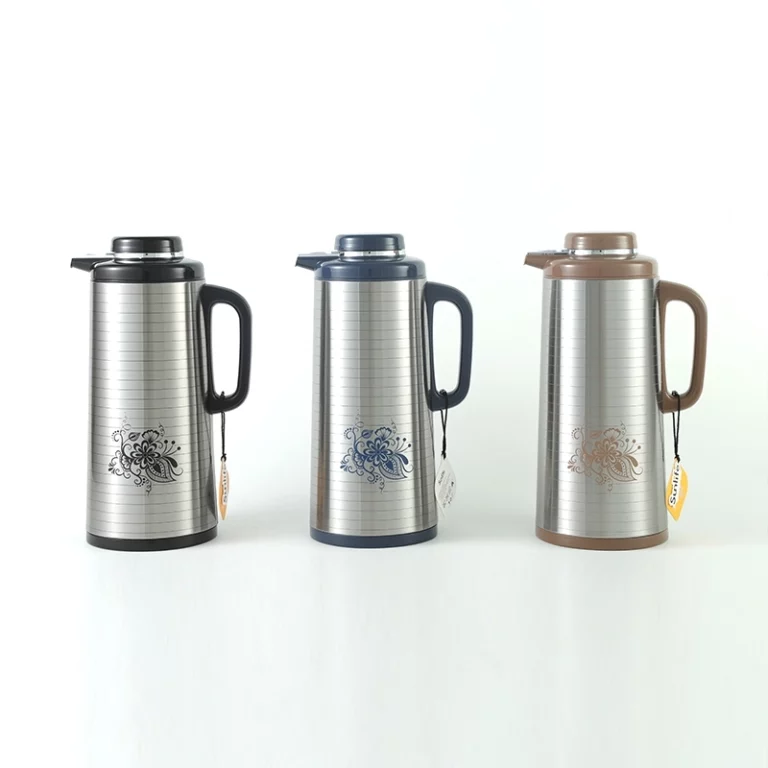
ZheJiang WeiLai Daily Necessities Co., Ltd sits in Yiwu, China, cranking out cups and flasks since 1996. They cover everything from basic thermoses to premium vacuum jugs. Their Sunlife line shines in insulated ware, mixing style with solid function. Over 200 stock items ship in 3-5 days. They roll out more than 100 new patented designs every couple of months thanks to an in-house team. Exports reach over 100 countries. OEM and ODM services let clients tweak patterns, colors, logos, even full new looks. Whether bulk stock or custom runs, they focus on smooth delivery and fresh ideas.
Conclusion
Chinese manufacturers keep pushing boundaries on traditional Arabian coffee ware. They honor the dallah’s heritage—glass for purity, classic shapes for recognition—while adding practical upgrades like plastic bodies, vibrant customs, and long-lasting vacuum holds. For buyers, this means fresher product ideas, stronger margins, and happier end-users. Partner with forward-thinking suppliers, and you’re not just importing pots. You’re bringing innovation to the table. Time to explore these options. Your next line could be the one that stands out.
FAQs
What makes a plastic body coffee pot a good modern take on the traditional dallah?
A solid plastic body coffee pot keeps the elegant Arabian shape and spout but uses lightweight PP material for easier handling. Paired with a glass refill and vacuum insulation, it holds heat 12-24 hours while staying true to authentic taste.
How do Chinese suppliers innovate with patterns and colors on plastic body coffee pots?
They offer full customization—think custom prints, Pantone-matched colors, or logos right on the body. This lets brands create unique lines, like pink accents for special events, without losing the cultural feel.
Are plastic body coffee pots durable enough for daily commercial use?
Yes, food-grade PP plastic resists drops and daily wear better than thin metal. Combined with a strong glass liner, these pots handle busy cafe or hotel settings while keeping performance steady.
What customization options exist for plastic body coffee pots in bulk orders?
MOQs often start around 3600 pieces for full patterns or logos. Suppliers handle everything from color tweaks to unique designs, making it feasible for mid-size buyers to launch branded versions.
Why choose vacuum-insulated plastic body coffee pots over traditional ones?
Vacuum tech keeps coffee hot far longer—up to a full day. Lighter weight cuts shipping costs, and the glass inner prevents flavor issues. It’s a practical upgrade that respects tradition.