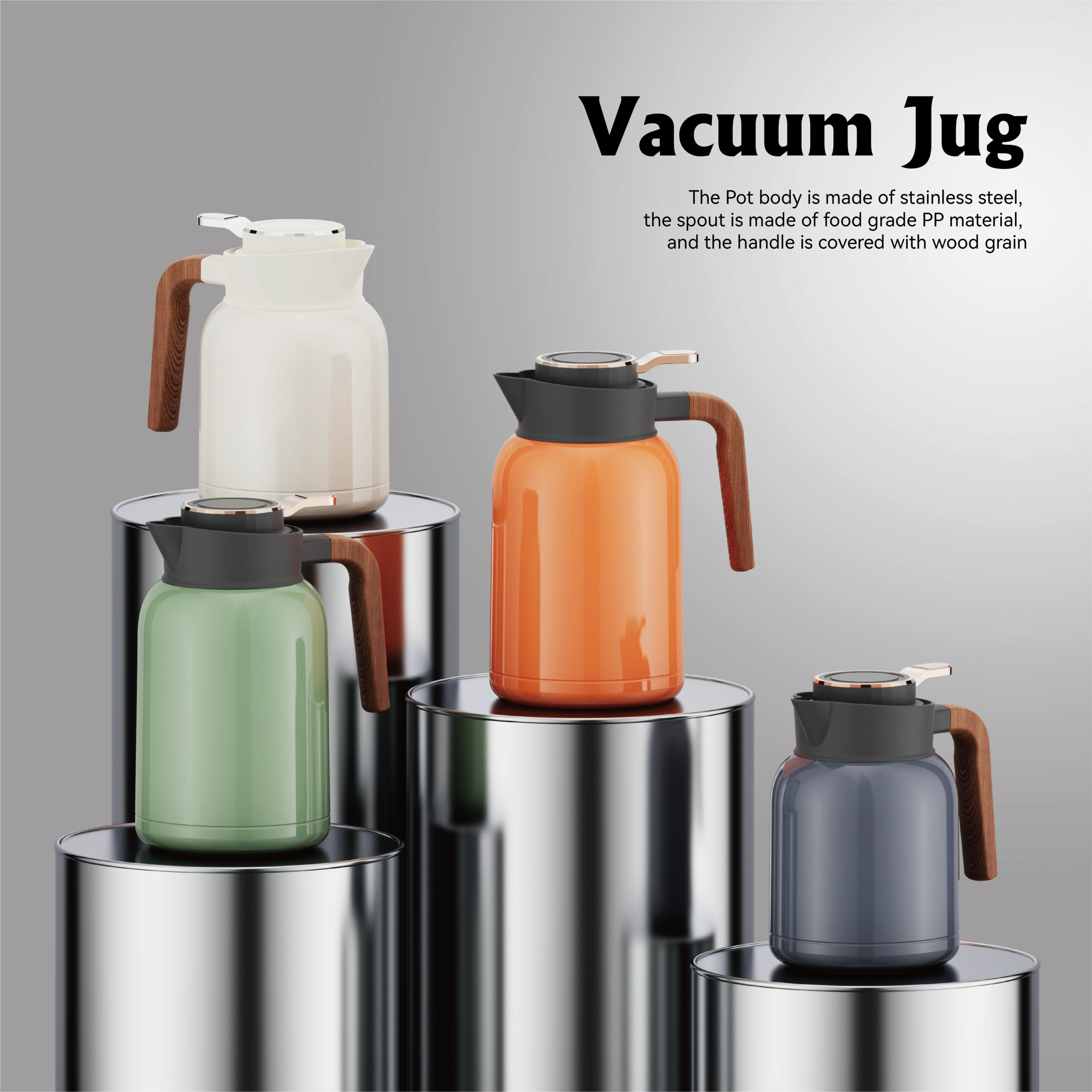
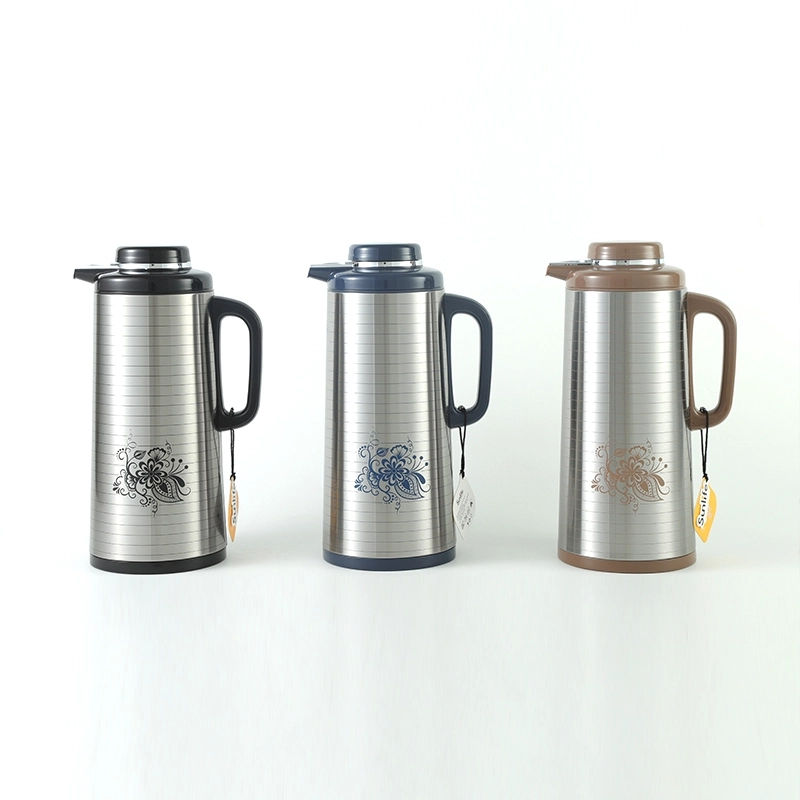
Picture this. You brew a perfect pot of morning coffee or steep a delicate green tea. The aroma hits just right. Then you pour it into your vacuum flask to keep it hot through the day. Hours later, that first sip tastes… off. A faint metallic edge creeps in. Or maybe the bright notes of your oolong have dulled. Sound familiar? If you’re selling these to customers—cafes, offices, or home users—this issue hits hard. Buyers want drinks that stay true to their original taste. No weird aftertaste. No complaints.
That’s where the liner material matters most. We’re talking the inner wall of the flask that actually touches your beverage. Two main options dominate: glass liners and stainless steel liners. Both keep things hot (or cold) thanks to vacuum insulation. But when it comes to flavor preservation for tea and coffee, they don’t perform the same. Let’s break it down honestly, based on real user experiences, industry chatter, and what actually happens in daily use.
The Basics: How Liners Work in Vacuum Flasks
Vacuum flasks trap heat with a double-wall design and airless space between layers. The liner is the innermost part. It contacts the liquid directly.
- Glass liners — Usually borosilicate or similar tough glass. Non-porous. Chemically inert. Doesn’t react with acids in coffee or tannins in tea.
- Stainless steel liners — Food-grade 304 or 316 stainless. Strong. Smooth when new. But metal can interact subtly over time, especially with acidic brews.
Both can deliver solid insulation—often 8-12 hours for hot drinks. The real difference shows up in taste tests after a few hours.
Flavor Preservation: Glass Liners Shine for Purity
Glass wins big here for folks picky about taste. Why? It’s neutral. No leaching. No absorption of oils or odors.
Real-world example: A small coffee roaster switched to glass-lined flasks for sample deliveries. Customers noticed immediately. Their single-origin Ethiopian tasted brighter—fruity notes popped without any flatness. Before, with all-steel options, some reported a “tinny” hint after 4-5 hours. Not awful. Just enough to bug sensitive palates.
Tea drinkers echo this. Herbal blends or delicate whites pick up nothing extra in glass. One cafe owner shared: “We used to get returns on our iced tea batches. Switched to glass refills. Complaints dropped to zero.” Glass doesn’t hold onto previous brews either. Switch from coffee to chamomile? Rinse and go. No ghost flavors.
Data from blind taste tests (shared in drinkware forums and manufacturer reports) often favors glass for purity. In one informal poll among home baristas, about 65% said glass kept coffee’s acidity cleaner after 6 hours compared to steel.
Stainless Steel Liners: Durability Meets Everyday Use
Stainless steel isn’t flavor enemy number one. High-quality versions stay pretty neutral. Food-grade stainless resists corrosion. Many users drink coffee or tea from them daily with zero issues.
But here’s the catch. Over time—or if the steel isn’t top-tier—some detect a metallic whisper. Especially with hot, acidic liquids sitting long. Coffee’s pH (around 5) and tea tannins can interact faintly. New flasks sometimes give off a stronger metal note until seasoned or washed a few times.
From Reddit threads and coffee communities: Plenty of people swear by stainless for travel mugs. “No taste difference,” they say. Others chime in: “My morning brew turns weird by lunch in steel. Glass fixes it.” It varies by person, brew strength, and how well you clean.
Stainless holds up better physically. Drop it? Usually fine. Glass? Risk of cracking the liner. For busy cafes or outdoor use, steel’s toughness wins.
Head-to-Head Comparison
Let’s lay it out clearly.
| Aspect | Glass Liner | Stainless Steel Liner |
|---|---|---|
| Flavor Neutrality | Excellent – pure, no aftertaste | Good – can add faint metallic note over time |
| Odor/Aroma Retention | Minimal – doesn’t absorb oils | Low – but possible carryover if not cleaned well |
| Durability | Fragile – liner can break on impact | Tough – handles drops and rough use |
| Cleaning | Easy – non-porous, no staining | Straightforward – but needs thorough rinsing |
| Best For | Flavor-focused users (tea, specialty coffee) | Everyday durability (offices, travel) |
| Heat Retention | Solid – similar vacuum performance | Often slightly better long-term due to material strength |
These points come from user reports and side-by-side tests in the industry. Neither is “bad.” It depends on priorities.
Real Scenarios: When to Choose Which
- Specialty coffee shop or tea house — Go glass. Customers pay for nuanced flavors. A subtle metal edge kills the experience. Sunlife’s stainless steel body with glass refill models nail this combo: tough outer shell, pure-tasting inner glass.
- Office bulk buyer — Stainless might suffice. Durability matters more than micro-flavors when it’s grabbing coffee all day.
- Home user sensitive to tastes — Test both. Brew the same batch. Store in each for hours. Sip blind. Many switch to glass after one bad experience.
- Eco or health-focused buyer — Glass feels cleaner. No metal worries at all.
One tip from long-time flask users: Always preheat with hot water. It seasons the liner and cuts any initial off-notes in steel.
Introducing Zhejiang Weilai Daily Necessities Co., Ltd.
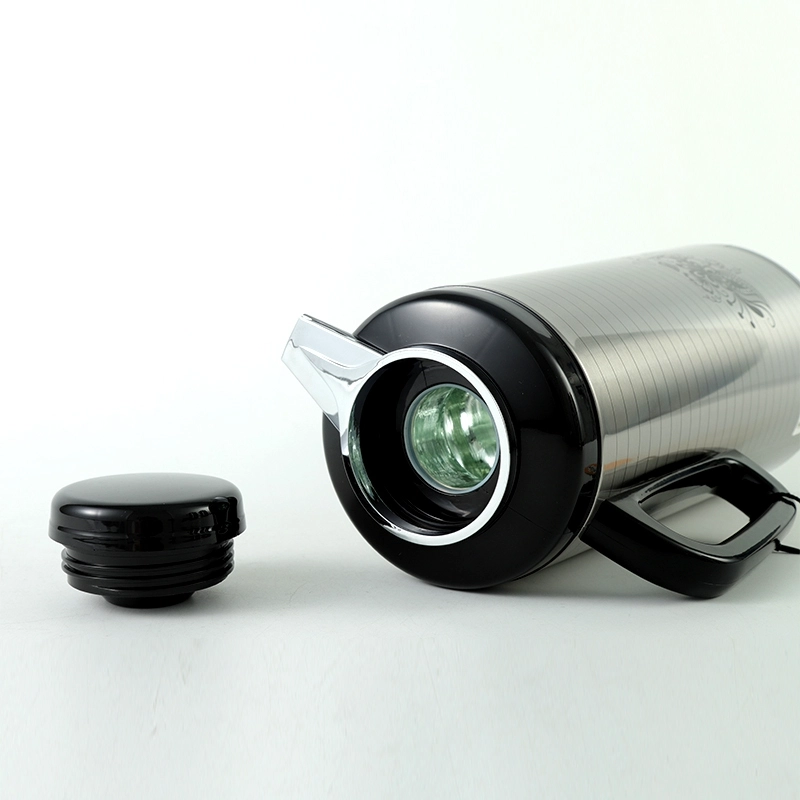
Looking for reliable options? Zhejiang Weilai Daily Necessities Co., Ltd. stands out as a dedicated cups and flasks supplier. Based in China since 1996, they specialize in thermos, vacuum flasks, and coffee pots. Their Sunlife brand features practical, high-quality designs—like stainless steel body vacuum flasks paired with glass refills. These keep drinks hot while prioritizing clean taste. Check ywlf.com for their full lineup, including 1.0L and larger sizes built for daily use and OEM customization.
Conclusion
At the end of the day, glass liners edge out for preserving the true flavor of tea and coffee. They deliver that pure, unaltered taste many buyers crave—no metallic hints, no dulled notes. Stainless steel brings unbeatable toughness and works great for most folks, especially when quality is high. But if flavor is your top concern—whether for your own cup or your customers’—glass inside a sturdy body often wins. Think about your real needs. Test a few. The right vacuum flask makes every sip better.
FAQs
Does a stainless steel body vacuum flask always give a metallic taste to coffee or tea?
Not always. High-quality ones stay pretty neutral. But some users notice a faint metal edge after hours, especially with acidic brews. Glass refills inside stainless steel bodies—like those from Sunlife—cut that risk while keeping the outer shell tough.
Why do many tea lovers prefer glass liners in vacuum flasks?
Glass doesn’t react with tea’s tannins or delicate flavors. It keeps things pure and bright. No odd aftertaste creeps in, even after long storage. Perfect for herbal or green teas that show off subtle notes.
How long can a stainless steel liner affect flavor in a vacuum flask?
Usually minimal in the first few uses or hours. Over extended time—or if not cleaned well—a slight metallic note can show up for sensitive drinkers. Pre-rinsing with hot water helps a lot.
Are stainless steel body vacuum flasks with glass refills the best of both worlds?
They often are. Tough stainless outer body handles bumps. Glass inner refill preserves clean taste for coffee and tea. No compromise on durability or flavor purity.
Should I choose glass or stainless steel liner if my customers hate any aftertaste?
Go glass liner if taste purity tops the list. It avoids any potential metal interaction. Many switch after complaints about flavor changes in all-steel options.