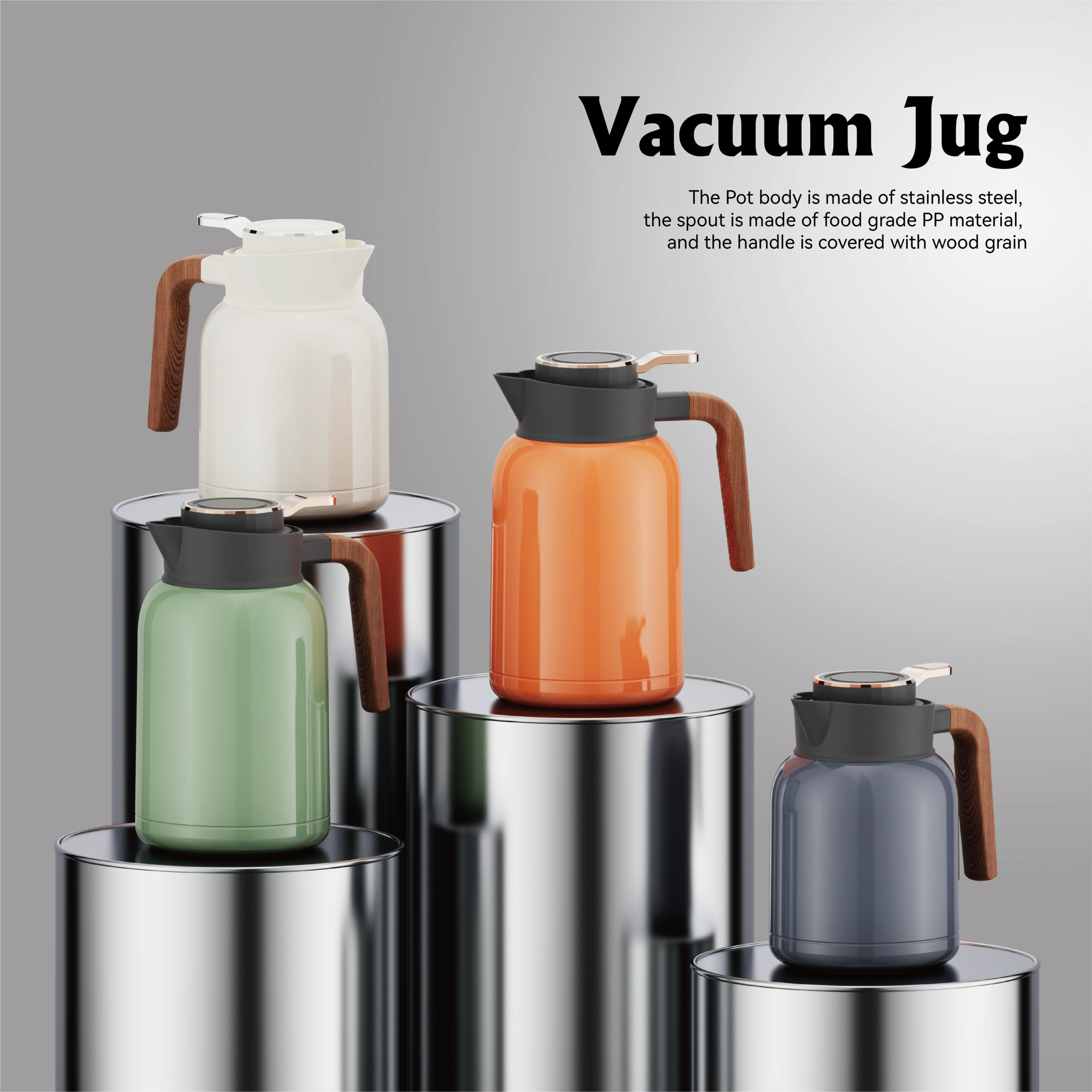

Ever poured a fresh brew into your favorite mug and noticed the taste shift after a few hours? It’s not just your imagination. The material your coffee touches plays a sneaky role in how those rich, nuanced flavors hold up. Coffee is packed with hundreds of volatile compounds—think acids, oils, aldehydes, and that signature roasted goodness. When these interact with the container walls, things can change. Some materials stay neutral. Others add subtle off-notes or mute the brightness you paid good money for.
If you’re serious about your morning (or afternoon) cup, understanding this science matters. Today we’re breaking it down simply: how stainless steel, plastic, and glass each handle coffee differently. We’ll look at real-world examples, what coffee pros notice, and why a glass inner liner often comes out on top for pure taste. By the end, you’ll see why many coffee lovers call glass the gold standard for flavor preservation.
Why Coffee Flavor Is So Sensitive to Materials
Coffee isn’t plain water. It’s a complex brew. Freshly extracted, it bursts with fruity acids, caramelized sugars, chocolate notes, and floral aromatics. Over time—especially when stored—those delicate compounds react.
Heat speeds things up. Oxygen exposure plays a part. And yes, the container material itself can influence the outcome. Some materials are porous. Others react slightly with acids. A few stay completely inert.
Baristas and home brewers often run side-by-side tests. Same coffee, same brew strength, poured into different vessels. The differences show up fast—sometimes in minutes, more often after hours in a thermos.
Common Off-Flavors from Material Interactions
- Metallic tang— subtle, like licking a coin, often from metal surfaces.
- Stale or muted notes— when compounds get trapped or broken down.
- Plastic-like aftertaste— faint chemical whiff from lower-grade plastics.
- Lost brightness— acids dull or shift when the material isn’t neutral.
These aren’t huge dramatic changes for everyone. But if you drink specialty coffee or notice tiny shifts, they matter.
How Different Materials Stack Up
Let’s compare the big three: stainless steel, plastic, and glass. Each has strengths. Only one truly lets coffee taste like… well, coffee.
Stainless Steel: Tough but Not Always Neutral
Stainless steel dominates most modern thermoses. It’s durable, lightweight, and great at holding heat thanks to vacuum insulation.
But here’s the catch. Even food-grade 304 stainless can impart a faint metallic edge, especially after several hours. Coffee’s natural acids (pH around 5) interact mildly with the surface. Over time, tiny amounts of metal ions can leach—nothing harmful, but enough to shift the flavor profile toward something flatter or slightly bitter.
Many folks report this in blind tests. A bright Ethiopian pour-over might taste more “muted” or “tinny” in stainless after 4–6 hours. High-end stainless pieces minimize it with better polishing and coatings. Still, it’s rarely zero impact.
Pros love stainless for everyday toughness. For peak flavor? Not always the winner.
Plastic: Convenient but Risky for Taste
Plastic bodies are lightweight and shatterproof—great for casual use or kids. The outer shell is often polypropylene (PP), which is food-safe.
The trouble comes from porosity and potential leaching. Plastic can absorb coffee oils over time. When you pour in the next batch, those trapped flavors sneak back in—creating a stale, off smell.
Cheaper plastics sometimes add a chemical aftertaste, especially when hot liquids hit them. Even BPA-free versions aren’t fully inert for long-term storage.
Real example: A home user switched from a plastic coffee dispenser to something better. Their morning brew suddenly tasted cleaner—no lingering “yesterday’s coffee” vibe. Plastic works for short-term. For serious flavor? It falls short.
Glass: The Neutral Champion
Glass liners—especially borosilicate in vacuum flasks—are about as close to inert as you can get. Glass doesn’t react with acids. It doesn’t absorb oils. It doesn’t leach anything.
Coffee pros and sensory experts point to glass as the benchmark. Volatile compounds stay put. Aromas don’t get masked. Acidity stays bright. That first sip after hours tastes remarkably close to fresh.
One common test: Brew a light-roast single-origin. Store half in glass-lined, half in stainless. After 8 hours, the glass version keeps more of the berry notes and floral lift. The stainless one often tastes flatter, with a subtle metallic veil.
Glass isn’t perfect—it can break if dropped. But for taste purity? It’s the gold standard.
Spotlight on a Standout Glass-Lined Option
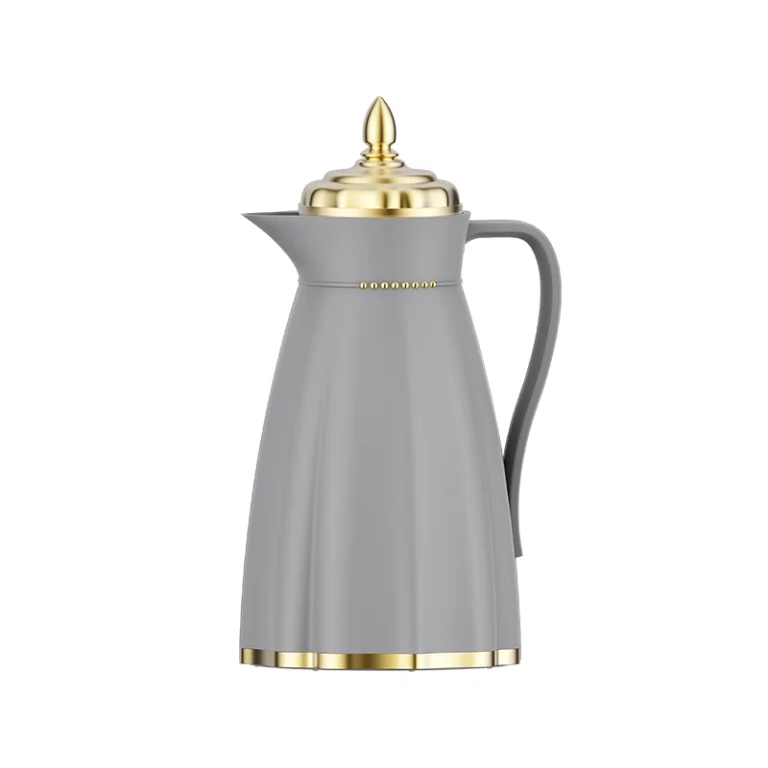
Take the Sunlife New Items Coffee Set. This practical vacuum flask features a sturdy PP outer body in a soft pink finish—easy to grip, looks nice on the counter. Inside, a high-quality glass liner handles the real work.
The vacuum insulation keeps coffee hot for hours without the flavor fade you get elsewhere. The glass inner wall stays neutral, so your brew’s natural character shines through—whether it’s a bold dark roast or a delicate pour-over.
Users notice the difference right away. No off-tastes creep in. Cleaning is straightforward too—just rinse, no lingering odors. It’s built for people who care about both convenience and that pure first-sip experience.
Quick Comparison Table
Here’s a side-by-side look at how the materials perform for coffee storage:
| Material | Flavor Neutrality | Heat Retention | Durability | Best For |
| Stainless Steel | Good to Fair | Excellent | Very High | Rugged daily use |
| Plastic (PP) | Fair to Poor | Good | High | Lightweight, budget needs |
| Glass Liner | Excellent | Very Good | Moderate | Pure taste, specialty coffee |
Glass edges out when flavor is the priority.
Real-World Scenarios Where Glass Wins
Picture a busy office. Someone brings in a big batch of cold-brew concentrate. Stored in a glass-lined dispenser, it stays crisp and chocolatey all morning. In stainless? By lunch, some folks swear it tastes “off” or muted.
Or think about weekend camping. You brew strong coffee at the site. Hours later, around the fire, the glass-lined flask delivers the same rich body without any weird aftertaste. Friends notice. “This tastes fresher,” they say.
Even baristas doing cuppings prefer glass for evaluating subtle notes. When you’re tasting for origin character, you want nothing interfering.
About ZheJiang WeiLai Daily Necessities Co., Ltd
ZheJiang WeiLai Daily Necessities Co., Ltd, based in Yiwu City, has been in the thermos and flask game since 1996. They focus on developing, making, and selling quality cups and flasks. With original brands like Sunlife and Veley, they offer a wide range—from stainless steel jugs to plastic-body pots and glass-lined vacuum flasks.
They hold over 100 patents, keep more than 200 stock items ready to ship in days, and export to over 100 countries. Whether you need off-the-shelf options or custom OEM/ODM work, they blend practical design with solid manufacturing.
Conclusion
Coffee’s flavor is fragile and beautiful. The material you choose to store it in can protect that beauty—or quietly chip away at it. Stainless steel brings toughness. Plastic offers lightness. But when it comes to keeping every bright acid, roasted depth, and aromatic layer intact, glass liners stand alone as the gold standard. Next time you’re picking a thermos or coffee set, think about taste first. Your coffee will thank you.
FAQs
How does material really change coffee’s flavor profile?
Different materials interact with coffee’s acids and oils in unique ways. Stainless steel can add a faint metallic note over time. Plastic sometimes traps old flavors or adds a chemical whiff. Glass stays neutral, preserving the original taste longer.
Why is a glass liner considered the gold standard for coffee flavor?
Glass is chemically inert. It doesn’t react with coffee compounds, absorb oils, or leach anything. This keeps volatile aromatics and acidity bright, even after hours—something stainless and plastic struggle to match.
Does stainless steel always ruin coffee taste?
Not always. High-quality stainless minimizes impact. But many coffee drinkers notice subtle flattening or metallic hints after extended storage, especially compared to glass.
Can plastic body coffee pots preserve good flavor?
They work fine for short holds. But plastic can absorb odors and oils, leading to carry-over tastes in later batches. For pure flavor, glass-lined options beat them out.
Is switching to a glass-lined thermos worth it for everyday coffee?
If you care about taste consistency—especially with nicer beans—yes. The Sunlife Coffee Set with its PP body and glass inside keeps coffee tasting closer to fresh, batch after batch.